Easy Beef and Broccoli (Better Than Takeout)
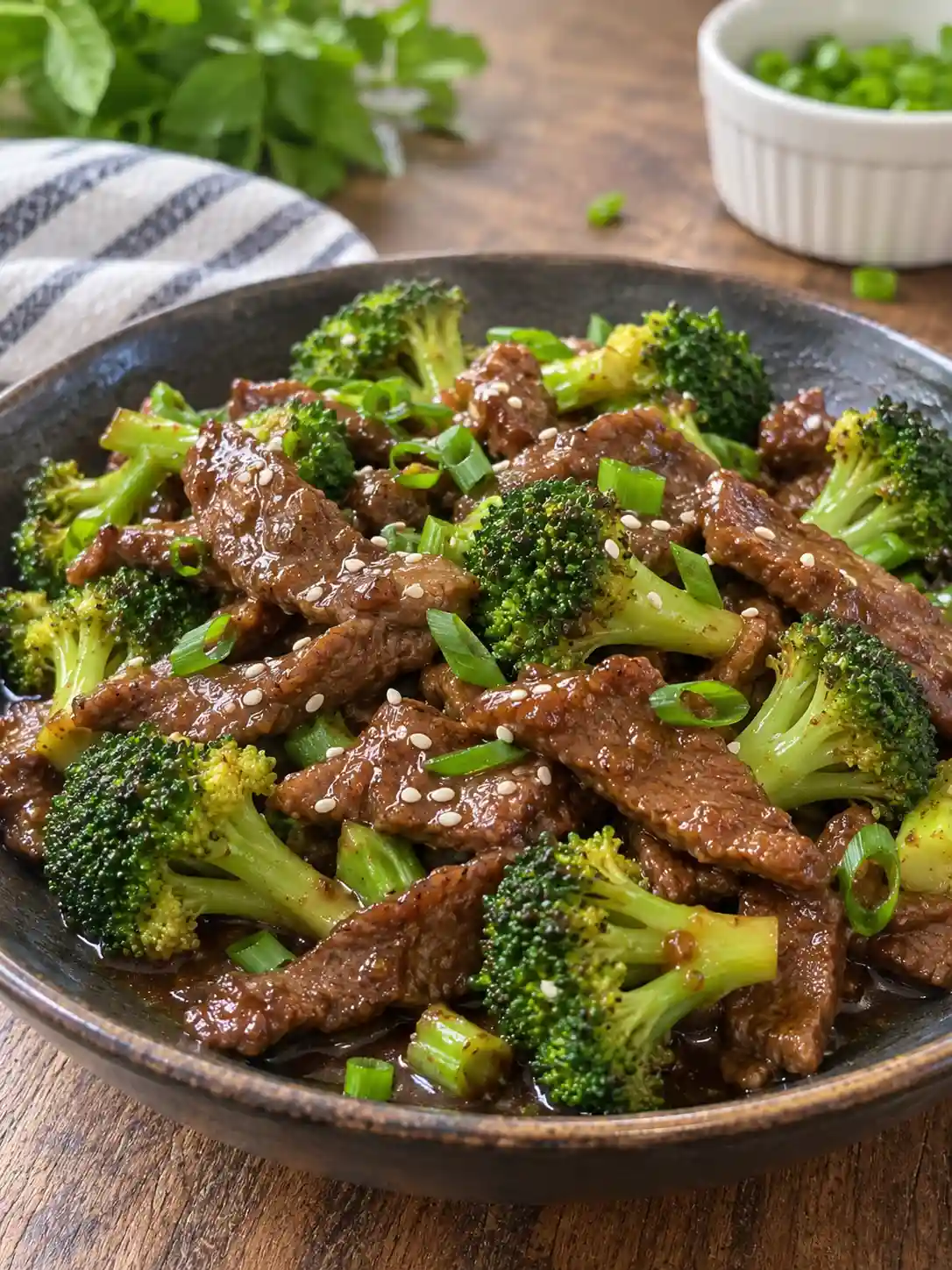
That moment when you bite into tender, sauce-covered beef alongside crisp broccoli and think — why did I ever order this from a restaurant? This beef and broccoli comes together in about 25 minutes, with a sauce that hits every note: savory, slightly sweet, with a hint of ginger heat that lingers just long enough.
This is a Chinese-American stir fry that most home kitchens can pull off on a weeknight. The beef gets a short soy-and-cornstarch marinade that keeps it tender even over high heat, and the sauce thickens on its own in the pan. Serve it over jasmine rice or noodles and it genuinely rivals your local takeout spot.
Why You’ll Love This Beef and Broccoli
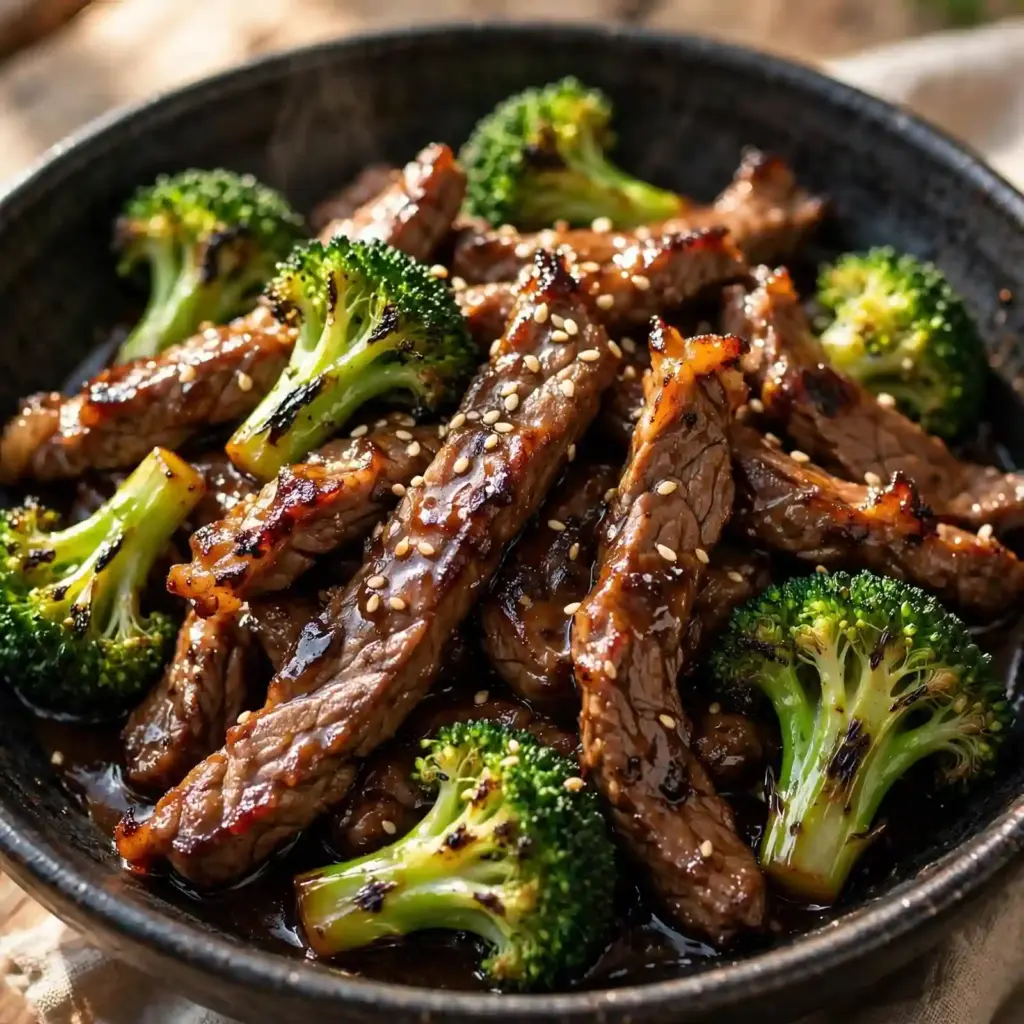
- Ready in 25 minutes. From slicing the beef to plating, this comes together faster than delivery. The marinade only needs 10 minutes, and the cooking takes about 10 more.
- Tender beef every time. The cornstarch-and-soy marinade (called velveting) coats the meat and prevents it from toughening up in the pan. This one step makes a real difference.
- A sauce you can actually taste. No thin, watery coating here. Oyster sauce, fresh garlic, and a touch of brown sugar build a glaze that clings to every floret and slice.
- One pan, easy cleanup. Everything cooks in a single wok or large skillet. Less mess means you actually want to make it again.
- Better control over what goes in it. You choose the salt level, the sweetness, and the heat. Most takeout versions are far saltier than they need to be.
Ingredients You’ll Need
Recipe Timing
- Servings: 4
- Difficulty: Easy
- Course: Main Course
- Cuisine: Chinese-American
- Prep Time: 15 minutes (includes 10-minute marinade)
- Cook Time: 10 minutes
- Total Time: 25 minutes
For the beef and marinade:
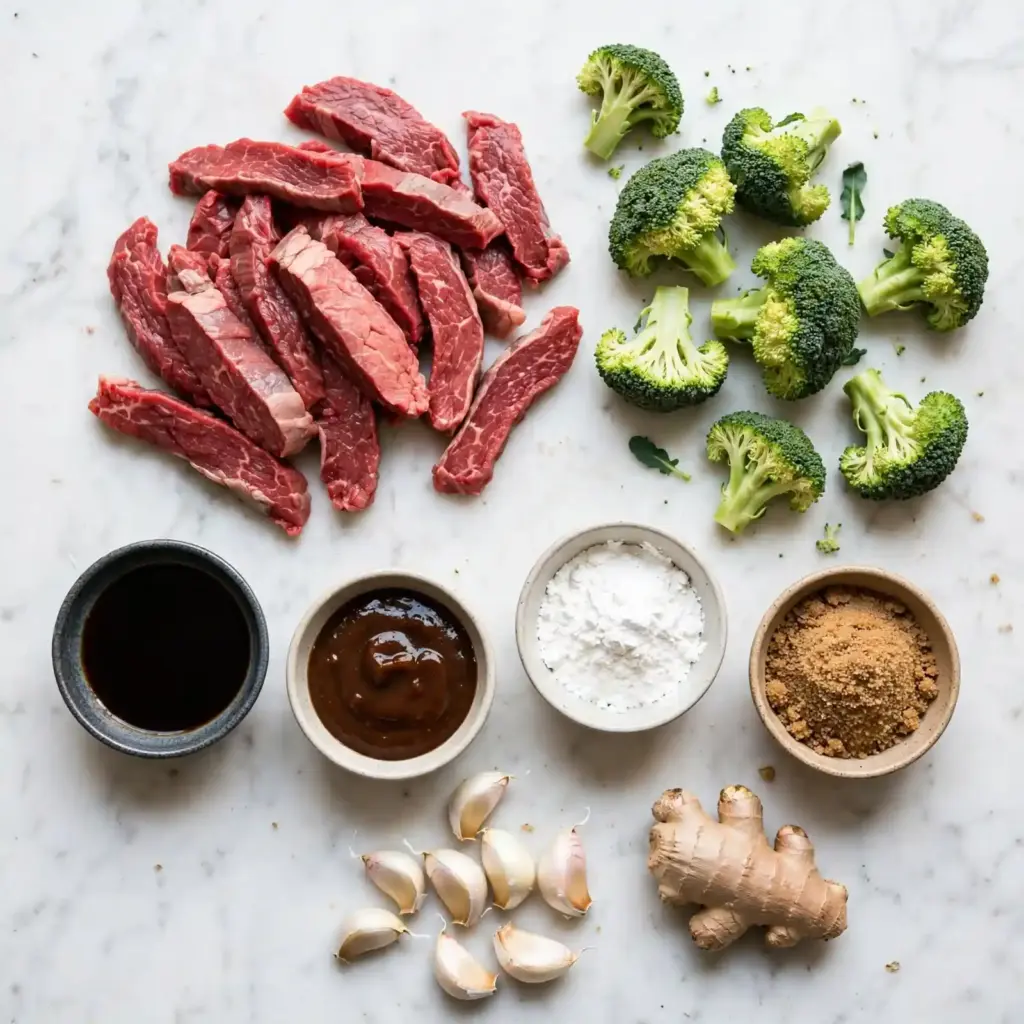
- 1 lb (450g) flank steak or sirloin, thinly sliced against the grain — Flank is traditional and slices cleanly when partially frozen. Sirloin works too. Slice about 1/4 inch thick for fast, even cooking.
- 2 tablespoons soy sauce — Low-sodium is a good choice here since the sauce adds more sodium too.
- 1 tablespoon cornstarch — This is the velveting key. It creates a light coating that traps moisture and helps the sauce stick later.
- 1 teaspoon sesame oil — Adds a nutty depth to the marinade. A little goes a long way.
For the sauce:
- 3 tablespoons oyster sauce — This is what gives the dish its distinctive savory sweetness. Don’t skip it.
- 2 tablespoons soy sauce
- 1 tablespoon brown sugar — Balances the saltiness and helps the sauce caramelize slightly in the hot pan.
- 1/2 cup beef broth — Thins the sauce enough to coat everything without making it watery.
- 1 tablespoon cornstarch — Whisked into the sauce to thicken it as it cooks.
- 1 teaspoon sesame oil
For the stir fry:
- 3 cups broccoli florets — Cut them roughly the same size so they cook evenly. Fresh broccoli works best, though frozen (thawed and dried thoroughly) is usable.
- 4 cloves garlic, minced
- 1 teaspoon fresh ginger, grated — Fresh ginger has a brightness that ground ginger doesn’t replicate. Worth using.
- 2 tablespoons neutral oil — Vegetable, canola, or avocado oil. Something with a high smoke point.
Allergen and Dietary Disclosure
This recipe contains soy (soy sauce, oyster sauce) and sesame. It also contains gluten, since most soy sauce and oyster sauce brands are wheat-based.
For a gluten-free version, replace soy sauce with tamari (1:1) and use a certified gluten-free oyster sauce. Coconut aminos can substitute for soy sauce if you need soy-free and gluten-free.
If you have a severe allergy, verify every ingredient label before cooking. Not guaranteed safe for any specific allergy.
Equipment Needed
- Wok or large skillet (12-inch minimum) — A wok gets hotter faster and gives you room to toss everything without things spilling over the edge. A large stainless steel or cast iron skillet works too.
- Sharp knife and cutting board — Thin, even slices matter here. Partially freezing the beef for 20 minutes before cutting makes it noticeably easier.
- Small whisk — For mixing the sauce without lumps of cornstarch settling at the bottom.
- Kitchen tongs or wok spatula — For moving the beef quickly so it sears rather than steams.
- Measuring spoons and cups — The sauce balance matters. Until you’ve made this a few times, eyeballing the ratios isn’t worth the risk.
Step-by-Step Directions
Step 1: Marinate the Beef
Combine the sliced beef with 2 tablespoons soy sauce, 1 tablespoon cornstarch, and 1 teaspoon sesame oil in a bowl. Toss until every piece is coated, then let it sit for 10 minutes at room temperature. The cornstarch starts binding to the surface almost immediately, so don’t skip the resting time.
Chef’s Note: This short marinade is called velveting — a technique from Chinese cooking that uses cornstarch to create a silky, tender texture. The beef won’t look dramatically different before cooking, but you’ll notice it in every bite.
Step 2: Mix the Sauce
Whisk together the oyster sauce, 2 tablespoons soy sauce, brown sugar, beef broth, 1 tablespoon cornstarch, and 1 teaspoon sesame oil in a small bowl or measuring cup until the cornstarch is fully dissolved. Set it right next to the stove because once the wok gets hot, things move fast.
Step 3: Blanch the Broccoli
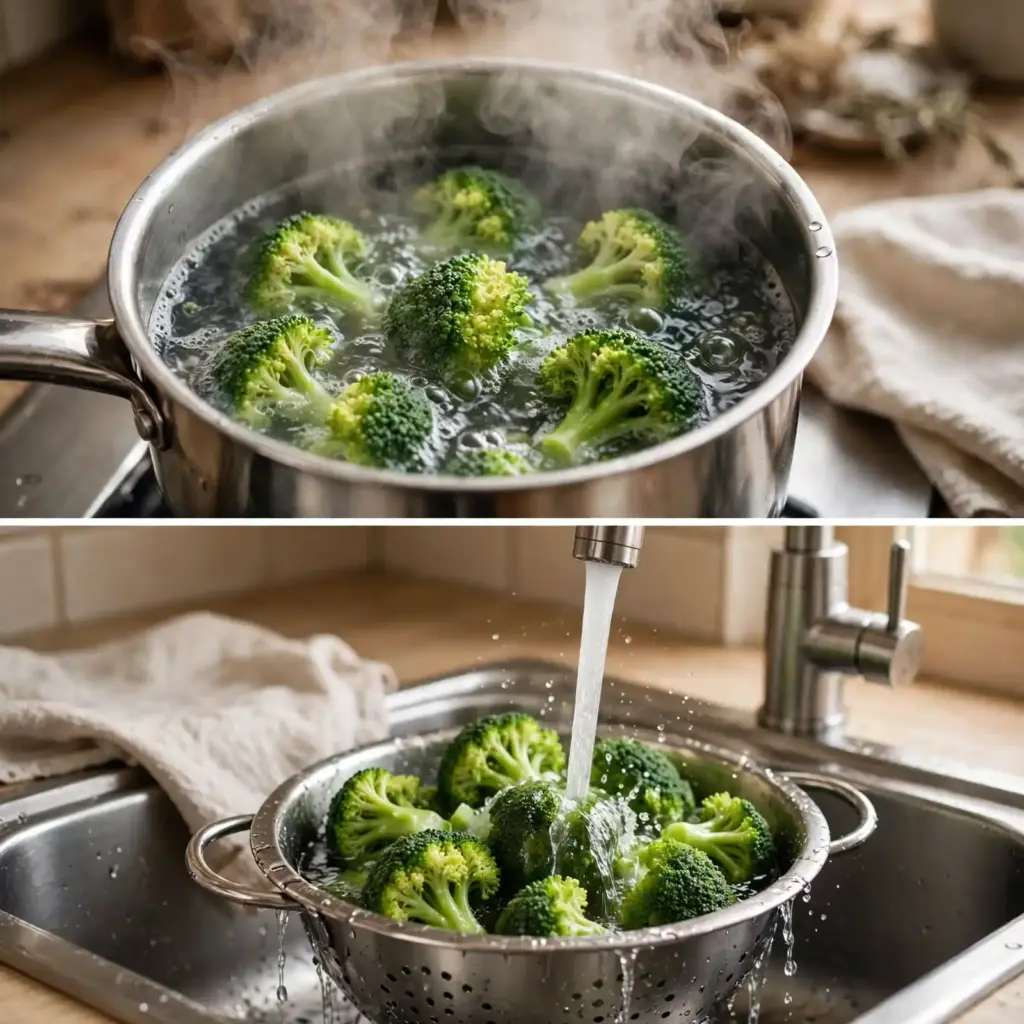
Bring a pot of water to a boil and cook the broccoli florets for exactly 90 seconds. Drain immediately and rinse under cold water to stop the cooking. This keeps the broccoli bright green and gives it a slight tenderness without making it mushy. If you prefer a crunchier texture, skip this step and add the raw florets directly to the wok later.
Step 4: Sear the Beef
Heat 1 tablespoon of oil in your wok over high heat until it shimmers and just starts to smoke. Add the beef in a single layer. Don’t stir it immediately — let it sear for about 60 seconds until a brown crust forms on the bottom, then flip and cook for another 30 to 45 seconds. The beef should be just cooked through with some color on it. Transfer it to a plate.
Chef’s Note: Crowding the pan is the most common stir fry mistake. If your wok is on the smaller side, cook the beef in two batches. Crowded beef steams instead of sears and comes out grey and tough.
Food safety note: Cook beef to an internal temperature of at least 145°F (63°C). Thin slices reach this quickly over high heat.
Step 5: Cook the Aromatics
Add the remaining tablespoon of oil to the same wok. Add the minced garlic and grated ginger and stir constantly for 30 seconds. The garlic should turn golden and fragrant but not dark brown — once it burns, the whole dish tastes bitter.
Step 6: Add the Sauce
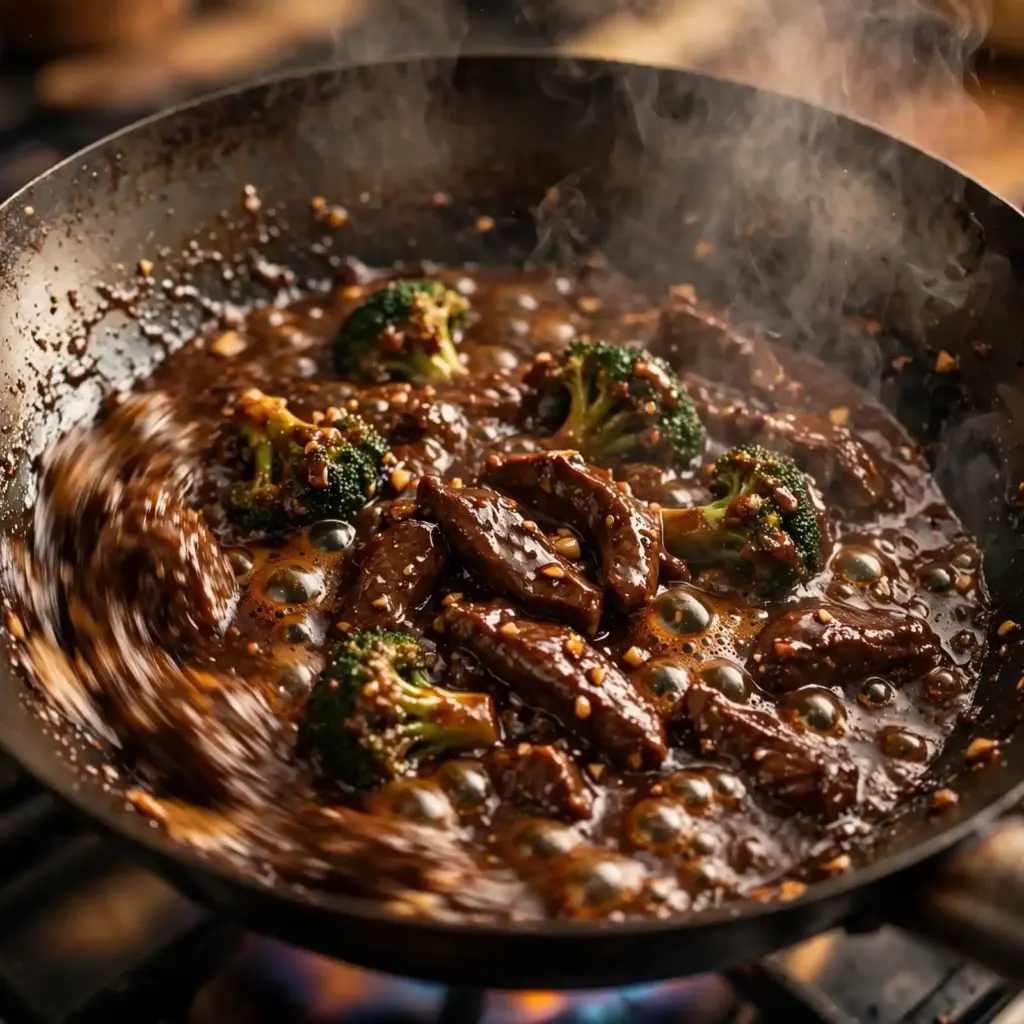
Pour the sauce mixture into the wok with the garlic and ginger. Stir and bring it to a bubble over medium-high heat. The cornstarch will start thickening it within about 60 seconds. You’re looking for a consistency that coats the back of a spoon without being gluey.
Step 7: Combine Everything
Add the seared beef and blanched broccoli back into the wok. Toss to coat everything evenly in the sauce. Cook for another 60 to 90 seconds over high heat, just enough to bring everything up to temperature and let the sauce cling. Taste and adjust with a small splash of soy sauce if it needs more salt.
Step 8: Serve Immediately
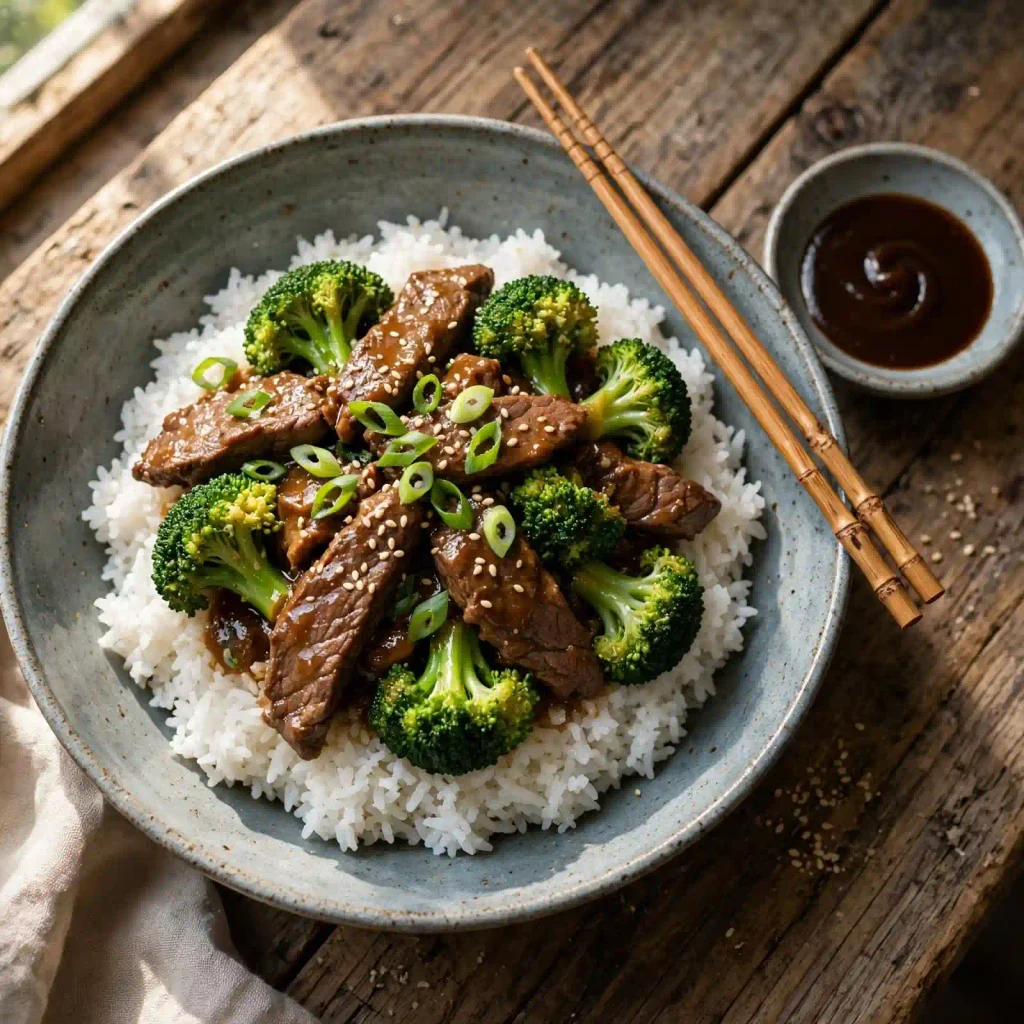
Spoon the beef and broccoli over steamed jasmine rice or noodles. Scatter sesame seeds and thinly sliced scallions over the top. Stir fry does not hold well — the broccoli softens and the beef toughens as it sits, so serve straight from the wok for the best texture.
Chef’s Note: The final toss over high heat is what gives good stir fry that lightly smoky, almost charred flavor. You won’t fully replicate a commercial wok burner at home, but cranking your stove as high as it goes gets you close.
Common Mistakes and Troubleshooting
| Problem | Cause | Solution |
| Beef is tough and chewy | Sliced with the grain, or overcooked | Cut perpendicular to the muscle fibers. High heat and short cooking time is key — 90 seconds total in the pan. |
| Sauce is thin and watery | Cornstarch not fully dissolved, or pan not hot enough | Whisk cornstarch completely into the sauce before adding it. Bring to a full rolling bubble before adding the beef back. |
| Broccoli turns dull yellow-green | Overcooked in blanching or in the wok | Blanch for no more than 90 seconds, rinse cold immediately, and add it in the last 90 seconds of wok cooking. |
| Garlic tastes bitter | Burned in the wok | Keep the heat at medium when you add garlic and ginger. 30 seconds is enough — golden, not dark brown. |
| Dish tastes too salty | Full-sodium soy sauce in both marinade and sauce | Switch to low-sodium soy sauce in one or both places. Taste the raw sauce before adding it to the wok. |
Serving Suggestions
- Steamed jasmine rice — The classic pairing. Fluffy rice soaks up the extra sauce pooling at the bottom of the bowl.
- Lo mein or rice noodles — Toss noodles into the wok with everything for a one-bowl stir fry noodle dish.
- Egg fried rice — Doubles down on the Chinese-American takeout feel and uses up leftover rice from the night before.
- Cucumber salad — A quick smashed cucumber salad with rice vinegar, sesame oil, and chili flakes cuts through the richness of the sauce.
- Steamed dumplings — Serve alongside as a starter for a more complete spread.
- Wonton soup — A light broth-based soup balances the richness of the stir fry if you’re feeding a group.
Tips for the Best Results
- Freeze the beef for 20 minutes before slicing. A partially frozen piece of flank steak slices into thin, even strips much more cleanly than fully thawed meat. This one step noticeably improves texture.
- Get the wok genuinely hot before adding oil. A properly preheated wok prevents sticking and starts the sear the moment meat hits the surface. You should see a wisp of smoke before the oil goes in.
- Dry the broccoli thoroughly after blanching. Wet broccoli steams instead of frying when it hits the hot wok. Pat it with a kitchen towel or shake the colander well before adding.
- Taste the sauce before it goes in. Different brands of oyster sauce and soy sauce vary a lot in saltiness. A quick taste tells you whether to adjust the sugar or dilute it with a splash of water.
- Don’t walk away from the stove. The whole recipe cooks in about 10 minutes once the wok is hot. Stir fry moves fast and needs your full attention throughout.
Storage Tips
Refrigerator
Transfer leftovers to an airtight container and refrigerate within 2 hours of cooking. Stored properly, beef and broccoli keeps for 3 to 4 days. The broccoli will soften slightly as it sits in the sauce, which most people find acceptable as leftovers.
Freezer
This dish freezes reasonably well for up to 2 months. Freeze in single-portion amounts in sealed bags or containers. The broccoli does lose some texture after freezing, so if you plan to freeze, slightly undercook it initially so it holds up better when reheated.
Reheating
Reheat in a skillet over medium heat with a small splash of water or beef broth to loosen the sauce (1 to 2 minutes works well). The microwave works too — cover the container and heat in 60-second intervals, stirring between each. Avoid high power settings, which can toughen the beef.
Nutrition Information
Per serving (1/4 of recipe, without rice):
| Nutrient | Per Serving |
| Calories | 295 |
| Protein | 28g |
| Carbohydrates | 14g |
| Fiber | 2g |
| Sugar | 5g |
| Fat | 13g |
| Saturated Fat | 3g |
| Cholesterol | 65mg |
| Sodium | 890mg |
| Vitamin C | 55mg |
| Calcium | 55mg |
| Iron | 2.8mg |
| Potassium | 520mg |
Nutrition values are approximate and may vary based on brands and portion sizes.
Why This Recipe Works
Experience: This recipe went through several versions before the current sauce balance settled in. The original used only soy sauce and cornstarch in the sauce, which tasted flat. Adding oyster sauce changed the depth completely — it brings an umami richness that soy sauce alone doesn’t have. The velveting step was tested with and without and the difference in beef texture was clear enough that it became non-negotiable in the final version.
Expertise: Flank steak is specified here rather than a generic “beef” because it has a distinct grain that slices cleanly against the fiber, giving tender strips instead of chewy chunks. The 10-minute marinade window is intentional — marinating longer than 20 minutes in a cornstarch mixture starts to change the outer texture of the meat in a way that isn’t ideal for stir fry.
Authoritativeness: The sauce ratio (3 tablespoons oyster sauce, 2 tablespoons soy sauce) is calibrated for 1 pound of beef. If you scale the recipe, scale the sauce proportionally. The 90-second broccoli blanching time is specific for a reason — 2 minutes produces noticeably softer florets that don’t hold up well once they hit the hot wok.
Trustworthiness: Some steps in this recipe will look slightly different in your kitchen depending on stove output and pan material. A gas wok burner runs much hotter than an electric coil. The visual cues in each step (shimmering oil, 60-second sear, sauce coats a spoon) are more reliable guides than strict timers for this reason.
Frequently Asked Questions
Can I make beef and broccoli ahead of time?
Yes, with the right approach. Prep everything up to a day ahead: marinate the beef, mix the sauce, and blanch the broccoli, then store each component separately in the refrigerator. When you’re ready to eat, the actual cooking takes about 10 minutes. The fully cooked dish doesn’t reheat quite as well as freshly made, so this prep-ahead method is better than cooking in advance and reheating the whole thing.
Why is my beef tough instead of tender?
Two things cause this most often. First, slicing with the grain rather than against it leaves long muscle fibers intact, which makes every bite feel stringy. Look at the grain lines on the flank steak and cut perpendicular to them. Second, overcooking in the wok tightens the proteins fast. Flank steak sliced thin only needs 90 seconds total in the pan — pull it out while it looks slightly underdone because it finishes cooking when you add it back with the sauce.
Can I use a different cut of beef?
Yes. Sirloin, ribeye, and skirt steak all work well here. Eye of round is leaner but tends toward toughness without a longer marinade. Avoid anything labeled “stew beef” since those cuts need slow, low cooking to become tender, which is the opposite of what stir fry does. Whatever cut you use, slice thin and against the grain.
Can I use frozen broccoli instead of fresh?
Frozen broccoli works with some adjustments. Thaw it completely, then press it between paper towels to remove as much moisture as possible. Wet broccoli won’t sear in the wok — it steams and turns mushy. Skip the blanching step entirely since frozen broccoli is already partially cooked. Add it directly to the wok in the last 60 seconds of cooking.
How do I know when the sauce is thick enough?
Dip a spoon into the sauce and run your finger across the back of it. If the line holds without the sauce running back through, it’s ready. The sauce thickens more as it cools, so pull it off the heat slightly before it reaches your ideal consistency. If it over-thickens, a small splash of water or broth and a quick stir will bring it back.
Is this recipe gluten-free?
Not as written. Both soy sauce and most oyster sauces contain wheat. For a gluten-free version, replace soy sauce with tamari (1:1 substitution) and use a certified gluten-free oyster sauce. If you have celiac disease, also verify that your cornstarch was processed in a gluten-free facility.
What’s the best oil to use for stir fry?
Any oil with a high smoke point: vegetable, canola, avocado, or peanut oil (if no nut allergy). Olive oil isn’t ideal here because its smoke point is too low for the heat stir fry needs. The sesame oil in this recipe is a flavoring ingredient only — it goes into the marinade and sauce, not into the hot wok, because it burns quickly at high heat.
Conclusion
A good beef and broccoli comes down to three things: tender beef from a proper velveting marinade, broccoli that holds its color and bite, and a sauce with enough body to actually coat the food. Once you’ve made it once, the whole thing comes together in about 25 minutes without much stress. It’s the kind of recipe you stop ordering from restaurants because yours is better.
If you loved this recipe, save it to your Chinese recipes Pinterest board so you can find it easily later!
Beef and Broccoli Stir Fry
Ingredients
Method
- Place sliced beef in a bowl with soy sauce, cornstarch, and sesame oil. Mix until every piece is well coated. Rest at room temperature for 10 minutes.
- Whisk oyster sauce, soy sauce, brown sugar, beef broth, cornstarch, and sesame oil together in a small bowl until the cornstarch is fully dissolved. Keep near the stove.
- Bring a pot of water to a boil. Cook broccoli florets for 90 seconds, then drain and rinse under cold running water. Pat dry with a kitchen towel.
- Heat 1 tablespoon oil in a wok or large skillet over high heat until shimmering. Spread beef in a single layer and sear undisturbed for 60 seconds. Flip and cook another 30 to 45 seconds. Transfer to a plate.
- Add the remaining tablespoon of oil to the wok. Stir in minced garlic and grated ginger. Cook for 30 seconds, stirring constantly, until fragrant and golden.
- Pour the sauce into the wok. Stir and bring to a bubble over medium-high heat. Cook for about 60 seconds until the sauce thickens enough to coat a spoon.
- Return the seared beef and dried broccoli to the wok. Toss to coat in the sauce and cook for 60 to 90 seconds until everything is heated through and well glazed.
- Serve over steamed jasmine rice. Top with sesame seeds and sliced scallions.
Notes
- Partial-freeze the flank steak for 20 minutes before slicing for cleaner, thinner cuts.
- If your wok is small, cook the beef in two batches to avoid steaming instead of searing.
- Taste the sauce before adding it to the wok. Oyster sauce brands vary significantly in saltiness.
- If the sauce thickens too much, add a small splash of broth or water and stir to loosen.
| Nutrient | Amount |
| Calories | 295 |
| Protein | 28g |
| Carbohydrates | 14g |
| Fiber | 2g |
| Sugar | 5g |
| Fat | 13g |
| Saturated Fat | 3g |
| Cholesterol | 65mg |
| Sodium | 890mg |
| Vitamin C | 55mg |
| Calcium | 55mg |
| Iron | 2.8mg |
| Potassium | 520mg |