Chicken Meatballs Recipe: 7 Easy Steps, Foolproof Results
Chicken meatballs fail when you treat ground chicken exactly like ground beef. The fat content is lower, the protein tightens faster under heat, and the mixture needs specific handling at every stage to stay juicy instead of turning dry and dense. These 7 steps cover what actually matters: the right mix ratio, how to test your seasoning before you shape a single ball, what to watch for in the pan, and when to stop cooking. The whole process takes 40 minutes and needs nothing beyond a skillet and a bowl.
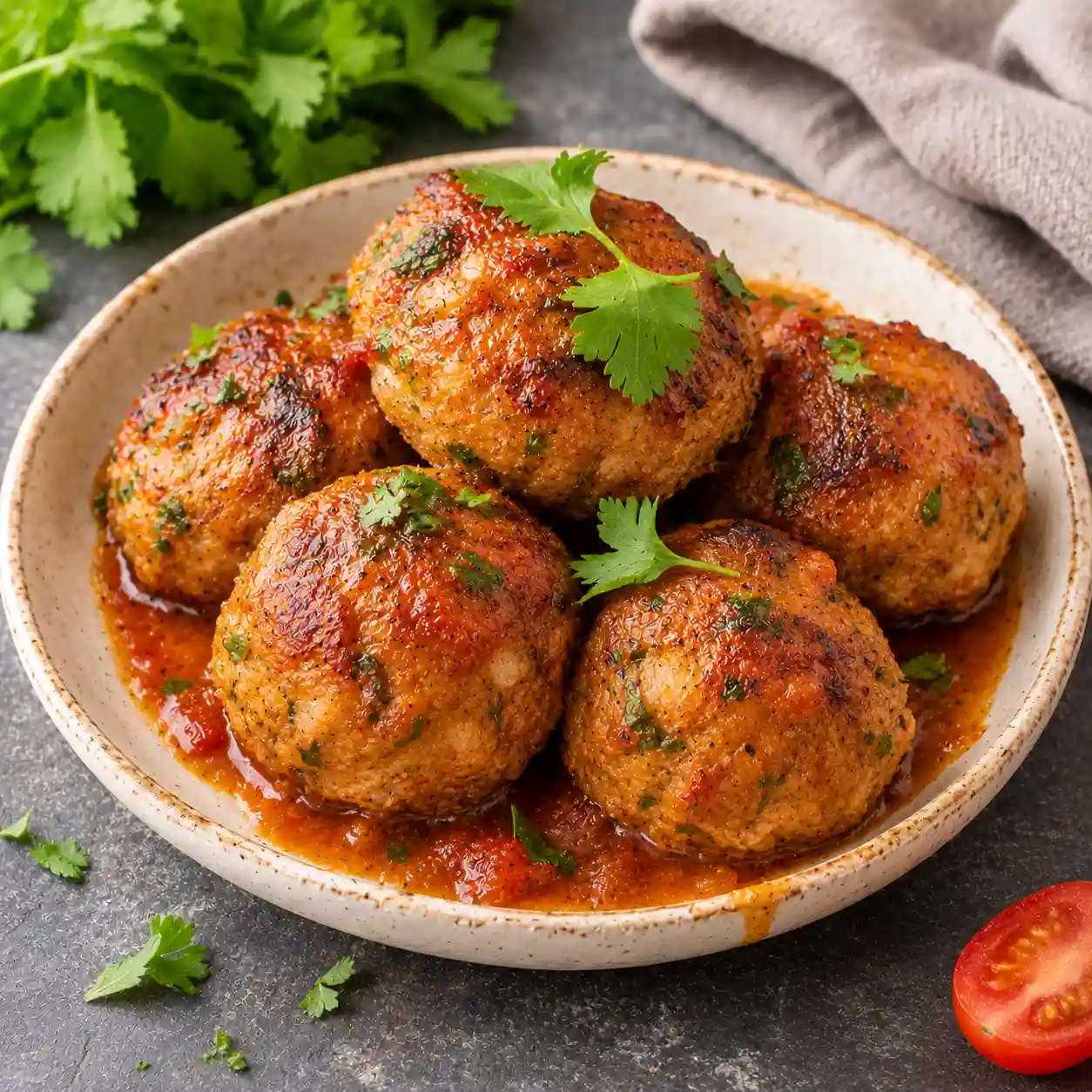
They are small rounds of seasoned ground chicken combined with breadcrumbs, egg, and aromatics, then cooked by pan-frying, baking, or simmering in sauce until fully cooked through. Mix the ingredients just until combined, roll into evenly sized portions, and cook at medium-high heat until golden on the outside and 74°C (165°F) at the center.
Why You Will Love These Chicken Meatballs
- They stay genuinely juicy even after reheating. The egg and breadcrumb ratio locks in moisture so the texture holds up the following day, not just fresh out of the pan.
- The total time is 40 minutes, which is realistic for a weeknight. Prep takes 15 minutes, cooking takes 25, and there’s nothing that requires hovering over the stove.
- Three cooking methods all work here. Pan-fry for a golden crust, bake for a hands-off approach, or finish them in a simmering sauce if you want them to absorb flavor as they cook through.
- They freeze well both raw and cooked, so a double batch means dinner is ready in under 10 minutes on a busy night with no extra work at the time.
- The base recipe shifts direction depending on what spices you add. The same mixture can go Italian, South Asian, or Middle Eastern, which gives it long-term value as something you’ll come back to.
Recipe Snapshot
Servings: 4 (approximately 20 meatballs)
Difficulty: Easy
Cuisine: International
Course: Main / Appetizer
Prep Time: 15 minutes
Cook Time: 25 minutes
Total Time: 40 minutes
Ingredients You Will Need For Chicken Meatballs
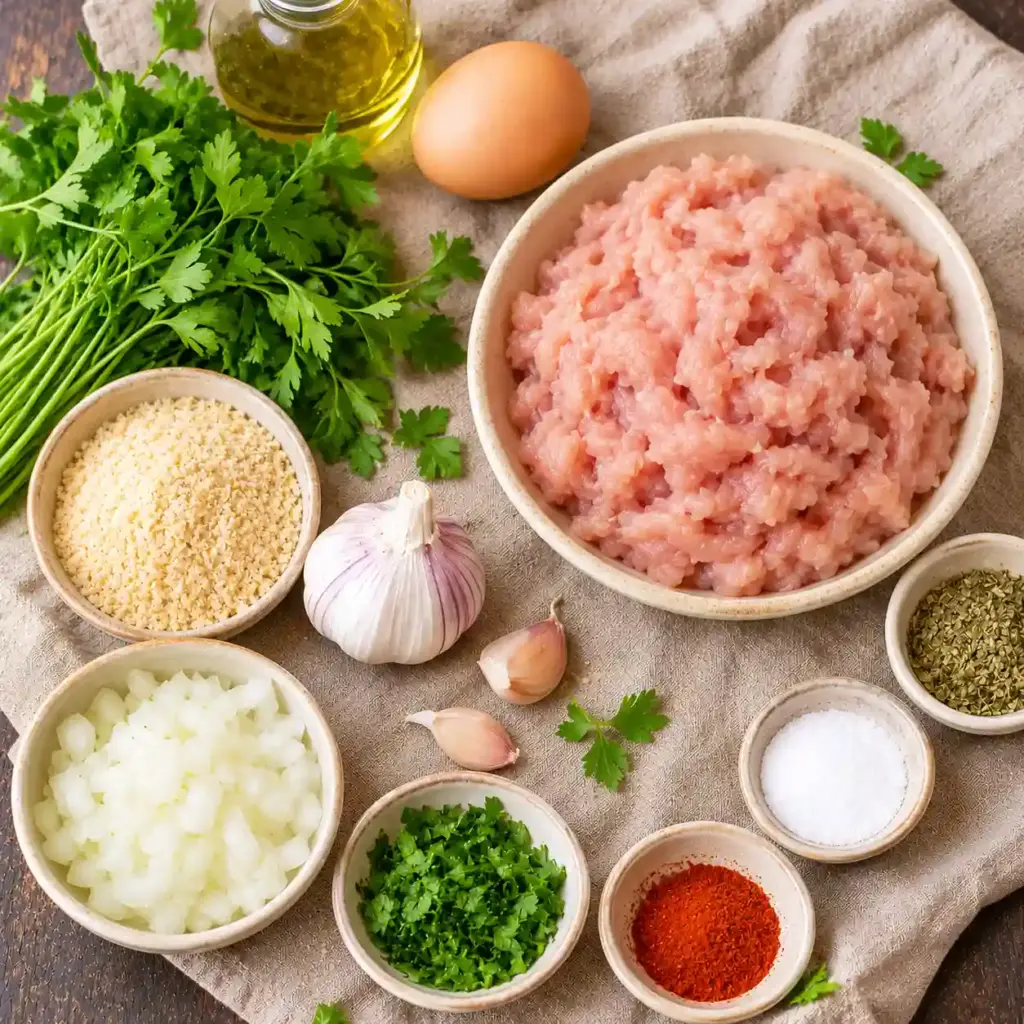
- 500g ground chicken (thigh mince retains more fat and delivers noticeably more moisture than breast mince; if only breast mince is available, stir in 1 tablespoon of olive oil directly into the meat before mixing)
- 1/3 cup panko breadcrumbs (lighter than regular breadcrumbs and helps the meatball hold its shape without going dense)
- 1 large egg (the main binder; without it, the mixture won’t hold together during cooking)
- 3 garlic cloves, minced fine (raw garlic gives more punch than garlic powder; mince it small so no large pieces stay raw in the finished meatball)
- 2 tablespoons fresh flat-leaf parsley, finely chopped (flat-leaf works better than curly here; it integrates into the mixture without leaving visible chunks)
- 1 teaspoon onion powder (builds a background savory layer without adding moisture the way fresh onion would)
- 1 teaspoon salt (season the mixture now, not at the end)
- 1/2 teaspoon black pepper, freshly cracked (the difference between fresh-cracked and pre-ground is noticeable in the finished meatball)
- 1/4 teaspoon red pepper flakes, optional (skip for a mild batch; include for a gentle heat that builds at the back of the bite)
- 2 tablespoons olive oil, for pan-frying
Recipe Timing
Prep Time: 15 minutes (mixing and shaping)
Cook Time: 25 minutes (browning and through-cooking)
Total Time: 40 minutes (15 + 25, verified)
Easy Substitutions and Halal Alternatives
No panko? Use regular breadcrumbs soaked in one tablespoon of water for two minutes, then squeezed dry before adding. The texture will be slightly denser, but the meatballs will still hold their shape.
No fresh parsley? Dried parsley at half the quantity works. The flavor is less bright but still contributes enough herbal character to notice.
Need gluten-free? Swap the breadcrumbs for gluten-free oat flour or crushed gluten-free crackers in the same quantity. The texture stays close to the original, and the cook time is unchanged.
No olive oil? Any neutral halal-certified cooking oil handles browning and prevents sticking just as well. Look for one with a medium-high smoke point.
Allergen Information
This recipe contains egg and gluten from the panko breadcrumbs. If you use a gluten-free substitute, check the packaging, as some alternatives are processed in shared facilities with wheat. No dairy, tree nuts, or shellfish are present in this recipe.
How To Make Chicken Meatballs Step by Step
Step 1: Prep everything before touching the meat. Mince the garlic as fine as you can, chop the parsley, and measure the breadcrumbs, spices, and egg into separate small bowls. Cold hands help too, so run cold water over your palms before you start shaping. Having everything ready reduces the time you spend handling the meat, which keeps the mixture from warming up and sticking.
Step 2: Add the ground chicken, egg, breadcrumbs, garlic, parsley, onion powder, salt, and pepper to a large bowl. Use a fork or your hands to mix until everything is evenly distributed. Stop the moment you no longer see dry pockets of breadcrumbs. Overmixing is the fastest way to produce tough, rubbery meatballs because the protein in ground chicken tightens fast under mechanical pressure.
Step 3: Pinch off a small amount of raw mixture, flatten it, and cook it in a dry pan for 30 seconds per side. Taste it. Adjust the salt or spices now, before you shape the full batch. This one extra step takes 90 seconds and completely removes the guesswork from the finished result.
You’re through the tricky part. Getting the seasoning right before shaping means every meatball in the batch will taste correct, not just the ones you happen to fix mid-cook.
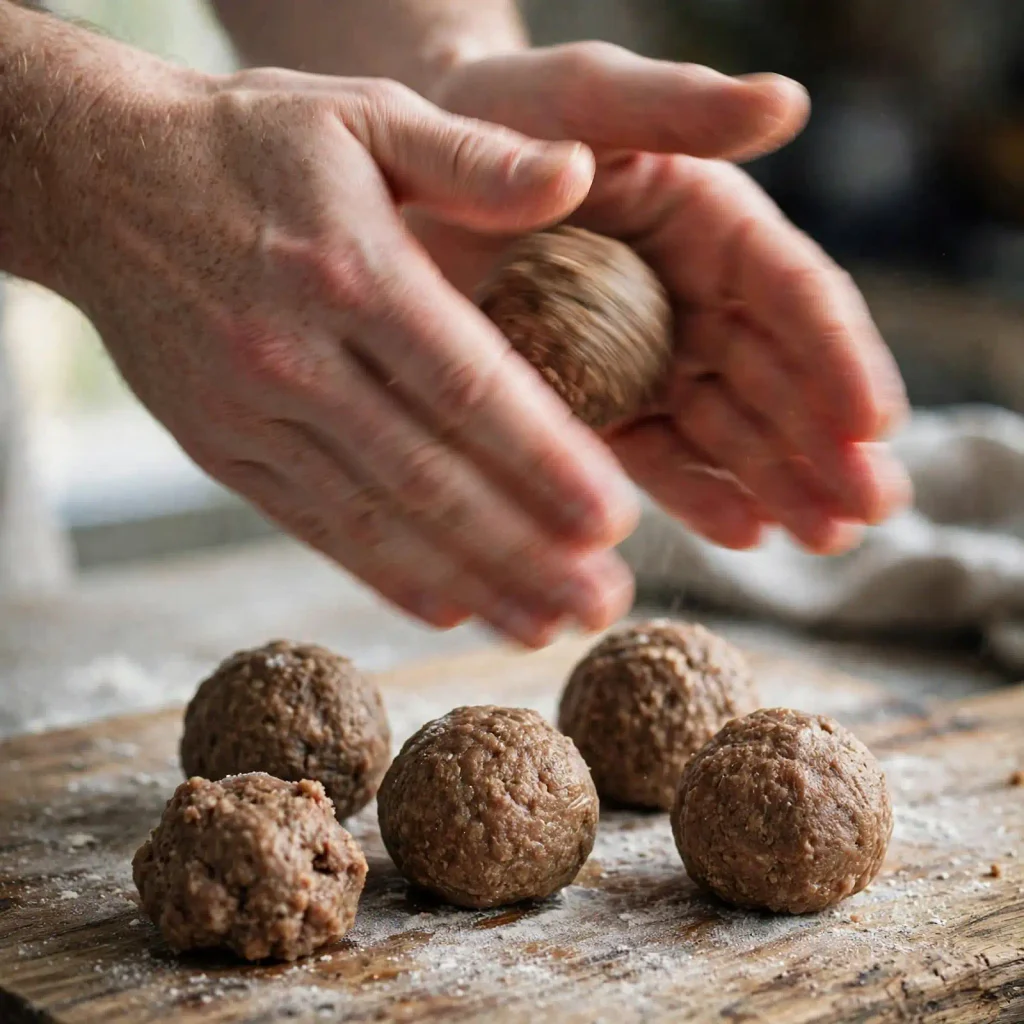
Step 4: Scoop the mixture into equal portions using a tablespoon or small ice cream scoop and roll each one gently between your palms just enough to close the shape. Apply only as much pressure as needed, nothing more. Consistent size matters because unevenly sized meatballs cook at different rates, leaving some overcooked while others are still raw at the center.
Step 5: Heat two tablespoons of olive oil in a wide, heavy-bottomed skillet over medium-high heat until the oil shimmers. Add the meatballs with clear space between each one and leave them completely undisturbed for two to three minutes until a proper golden crust forms on the bottom. Moving them too early tears the crust before it has set, which causes the meatball to lose its shape and stick.
Step 6: Turn each meatball once, reduce the heat to medium, cover the pan, and cook for another eight to ten minutes. FOOD SAFETY NOTE: Ground chicken must reach an internal temperature of 74°C (165°F) with no pink remaining in the center. Use an instant-read thermometer to check the thickest meatball in the batch. This is non-negotiable with ground poultry and especially important when cooking for children.
Step 7: Take the pan off the heat and let the meatballs rest for three to four minutes before serving. This short rest lets the internal juices redistribute rather than running out the moment you cut into one. The exterior also firms up slightly as they cool, which improves the overall texture of the finished batch.
Pro Tips While Making These Meatballs
If the mixture feels too sticky to shape cleanly, chill it in the fridge for 15 to 20 minutes first. Cold mixture holds its round shape during rolling much better than a soft, warm one, and you spend far less time fixing lopsided meatballs mid-process.
If your meatballs are flattening in the pan, the oil was not hot enough when they went in. Test by dropping one tiny scrap of mixture into the oil before adding the batch. It should sizzle hard on immediate contact. A pan that is not fully heated causes the meatballs to slowly sink and lose their shape before the exterior can set.
Best Tips For Perfect Chicken Meatballs Every Time
The most important ingredient decision here is what cut of chicken you buy. Thigh mince has more fat, which means more moisture and more flavor throughout the whole meatball. If you’re working with breast mince only, compensate by mixing one tablespoon of olive oil directly into the meat before adding any other ingredients.
Overmixing is the most common beginner mistake, and it shows immediately in the finished texture. The goal is to combine the ingredients until evenly distributed, not to develop structure. The moment you don’t see dry pockets, stop mixing.
For feeding a crowd, shape all the meatballs and place them on a lined tray in the fridge up to four hours before you plan to cook. This lets you do the prep work in advance and cook fresh at the right moment without any rush in the kitchen.
The best reheating method is a covered pan with a small splash of water or stock over low heat for five to seven minutes, turning once. This avoids the dried-out exterior you get from a microwave on high and keeps the interior moist throughout.
The batch freezes well both raw and cooked. See the storage section below for the specific method.
To scale the recipe up, double all ingredients and cook in two separate pans rather than crowding one. Crowding causes steaming instead of searing, which means no golden crust and a pale, soft exterior.
Common Mistakes and Troubleshooting
Dry, dense meatballs almost always come from overmixing or using breast-only mince without added fat. Ground chicken tightens fast under mechanical pressure, so the fix is simple: mix less and choose thigh mince, or add olive oil to the base.
Meatballs that fall apart in the pan usually need more binding. Add another tablespoon of breadcrumbs or a second egg white, mix briefly, chill for 10 minutes, then try again. Skipping the chilling step after mixing is a frequent culprit, because soft, warm mixture holds its shape poorly before cooking.
Pale, steamed-looking exteriors instead of a golden crust happen when the pan is overcrowded. Each meatball releases moisture as it cooks, and too many in one pan creates enough steam to prevent browning entirely. Work in smaller batches.
Flat seasoning despite correct ingredient quantities almost always means under-seasoning before cooking. Ground chicken tastes less salty raw than it does cooked, which causes people to hold back on salt. The tester step in Step 3 solves this completely.
Uneven cooking across the batch, with some done while others are still soft inside, comes from inconsistent sizing. Use a scoop rather than estimating by hand to get uniform portions every time.
Delicious Variations of Chicken Meatballs To Try
For a spicy version, add one teaspoon of harissa paste and half a teaspoon of cayenne to the base mixture. Finish with a drizzle of hot sauce in the last minute of cooking. The garlic base still comes through clearly underneath the heat.
For a mild, kid-friendly version, leave out the pepper flakes and press a small cube of mozzarella into the center of each meatball before closing it shut. The cheese melts during cooking and creates a soft, slightly gooey center that works well for children.
For a dairy-free version, the base recipe as written contains no dairy, so no adjustments are needed beyond checking your breadcrumb packaging for any milk powder.
For a festive occasion, season the base with garam masala, coriander powder, and a pinch of turmeric instead of the red pepper flakes. Serve on small skewers alongside a mint yogurt dip for a crowd-pleasing appetizer.
For a restaurant-style result, transfer the browned meatballs into a simmering tomato-based sauce for the last 10 minutes of cooking instead of finishing them covered in the dry pan. They absorb the sauce flavor as they finish cooking, and the result is richer and deeper than the pan version.
Serving Suggestions
These pair well over pasta with a simple tomato sauce, alongside garlic rice and a fresh cucumber salad, or served in flatbread with yogurt sauce and pickled red onion. The garlic and herb seasoning is neutral enough to work alongside most sides without clashing.
For a lighter plate, serve them in lettuce cups with a plain yogurt drizzle. The contrast between the warm, golden exterior and the cool, crunchy lettuce works well and keeps the dish light.
For a party spread, stack them on a platter with two or three dipping sauces: a tangy tomato sauce, a garlic yogurt dip, and a plain tahini give guests enough variety to find their preference.
For plating, stack them loosely rather than arranging them in a circle. Add fresh herbs at the last moment without positioning them symmetrically. That casual look photographs better and reads more naturally than a stiff arrangement.
Storage, Reheating and Freezing
Cooked meatballs keep in an airtight container in the fridge for up to three days. Let them cool fully before sealing the container. Placing them in hot while still warm traps steam that affects the texture.
To reheat, place them in a covered pan with two tablespoons of water or stock over low-medium heat for five to seven minutes, turning once halfway through. The steam keeps the exterior from drying out while the interior warms through. Avoid microwaving on high heat, which makes the outside tough and the inside uneven.
For freezing cooked meatballs, let them cool completely, then arrange in a single layer on a tray and freeze for one hour before transferring to a sealed freezer bag. This prevents clumping. They last up to three months. For raw meatballs, freeze the shaped portions in a single layer first, then bag once solid. Cook from frozen by adding five to seven extra minutes to the standard cook time and verifying temperature with a thermometer before serving.
Frequently Asked Questions About Chicken Meatballs
Can I make chicken meatballs ahead of time?
You can shape the full batch and refrigerate it on a lined tray for up to 24 hours before cooking. You can also cook a full batch, store it in the fridge for three days, and reheat portions as needed. Both approaches work well for weeknight meal prep and remove all the active work from the busiest part of your evening. Reheated meatballs from the fridge hold their texture cleanly when reheated in a covered pan with a little liquid. Your chicken meatballs will taste just as good on day two as they did fresh out of the pan.
How do I make chicken meatballs without breadcrumbs?
Breadcrumbs serve as a binder and help retain moisture during cooking. Without them, ground chicken tends to pack too tightly and produce a denser, drier result. Good replacements include cooked oats (blended briefly), grated zucchini (squeezed very dry first), crushed rice crackers, or a tablespoon of cream cheese, which adds fat and helps with cohesion. Any of these holds the mixture together without the breadcrumbs. The texture will differ slightly, but the meatballs stay tender and hold their shape through cooking.
Can I freeze chicken meatballs?
Yes, freezing works well for both raw and cooked versions of this recipe. For cooked meatballs, cool them fully, freeze in a single layer for one hour, then bag once solid to prevent sticking. They last up to three months in the freezer and reheat directly in a covered pan with a little liquid, with five to seven extra minutes added to the usual time. Your chicken meatballs from the freezer come out far better than you might expect, with minimal texture change from the fresh version.
How long do chicken meatballs last in the fridge?
Cooked meatballs keep for three days in an airtight container. Raw shaped meatballs should be cooked within 24 hours or frozen immediately if you’re not cooking the same day. Always reheat to piping hot all the way through before serving, and check the thickest one to confirm. Storing them correctly keeps both the texture and the flavor close to the freshly cooked version. Following these guidelines means your chicken meatballs stay safe and good through the full three days without any compromise.
Why are my chicken meatballs turning out dry?
Dryness comes from three sources: breast-only mince without added fat, overmixing the meat, or cooking too long at too high a heat without covering the pan. Ground chicken has very little natural fat compared to beef or pork, so it relies on the egg, breadcrumbs, and oil to stay moist. Try mixing thigh mince with breast mince, reduce mixing time, and cover the pan during the final cooking stage rather than leaving it open. These three adjustments will produce a noticeably juicier result in the very next batch you make.
Can I make these chicken meatballs gluten-free or dairy-free?
Both are straightforward. For gluten-free, replace the panko with certified gluten-free breadcrumbs or gluten-free oat flour in the same quantity. The cook time stays the same. For dairy-free, the base recipe as written contains no dairy at all. Just verify your breadcrumb brand, since some are processed in shared facilities with milk. With these two swaps, the method stays exactly the same and the finished meatballs work for a wide range of dietary needs.
Conclusion
This recipe works because every step addresses how ground chicken actually behaves under heat. Get the seasoning right before shaping, avoid overmixing, and cover the pan for the final stage. Those three things are what separate juicy, well-seasoned chicken meatballs from a dry batch that needs sauce to save it. Make the full quantity, freeze half, and you have a weeknight dinner ready in under 10 minutes without starting from scratch.
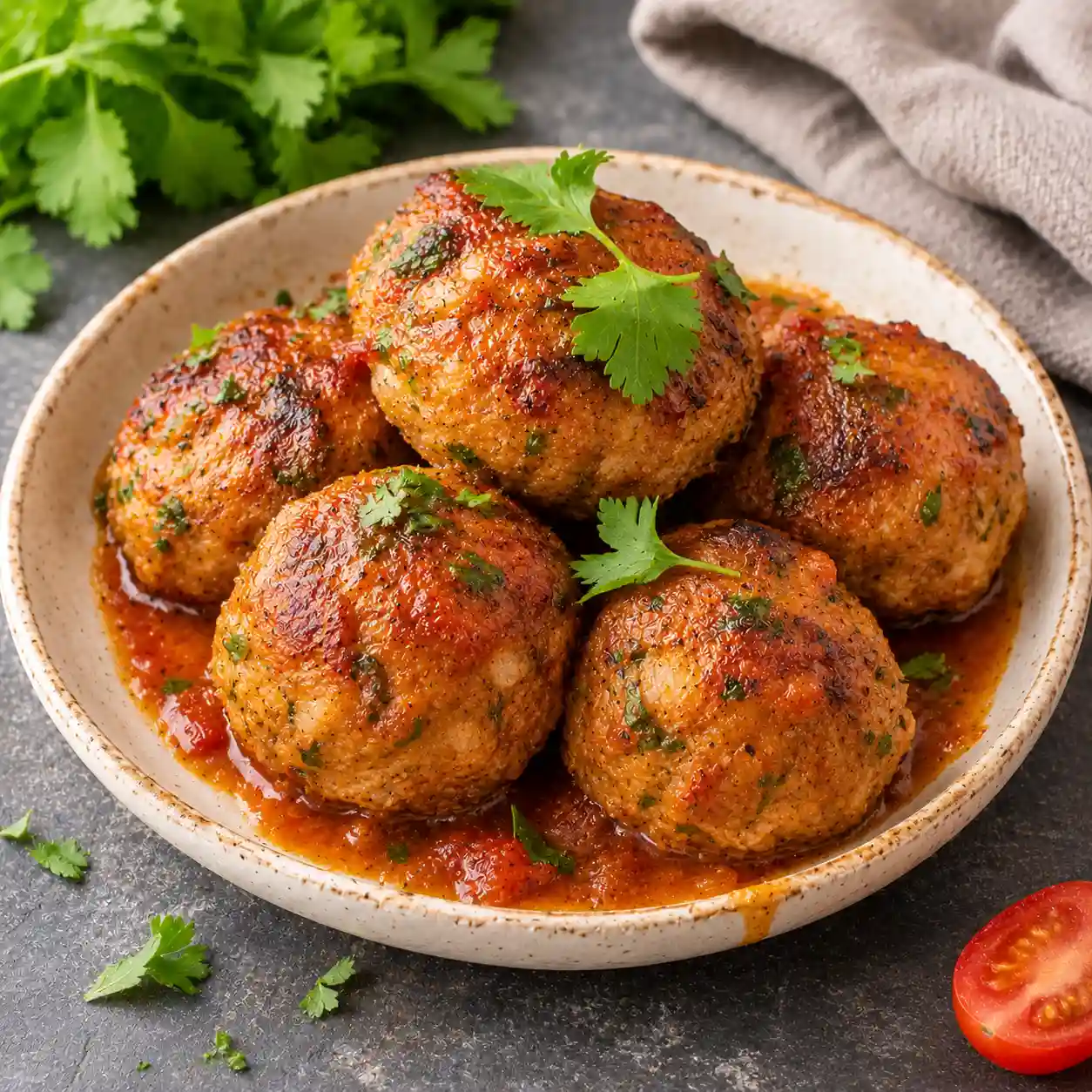
Chicken Meatballs
Ingredients
Method
- Prep all ingredients before handling the meat. Mince garlic, chop parsley, measure remaining ingredients.
- Combine all ingredients in a bowl. Mix until just combined. Stop as soon as you see no dry pockets.
- Cook a small tester portion in a dry pan. Taste and adjust seasoning before shaping.
- Scoop and roll the mixture into evenly sized balls using a tablespoon or small scoop.
- Heat oil in a wide skillet over medium-high heat. Add meatballs with space between them. Cook undisturbed for 2 to 3 minutes until golden.
- Turn each meatball once. Reduce to medium heat, cover the pan, and cook for 8 to 10 minutes to an internal temperature of 74°C (165°F).
- Rest off the heat for 3 to 4 minutes before serving.
Notes
Calories: 290 | Protein: 27g | Fat: 16g | Carbs: 9g | Fiber: 1g | Sodium: 510mg
Nutrition values are estimates only and may vary based on specific ingredients used.