Cabbage Soup Recipe: 7 Easy Steps for a Foolproof Result
Few soups are as forgiving, filling, or fast to prepare as cabbage soup. This recipe turns a single head of green cabbage, a handful of pantry vegetables, and one pot into a deeply flavored broth that holds up for days. With just 15 minutes of prep and 30 minutes of simmering, cabbage soup earns its place as one of the most practical weeknight dinners in any home cook’s routine.
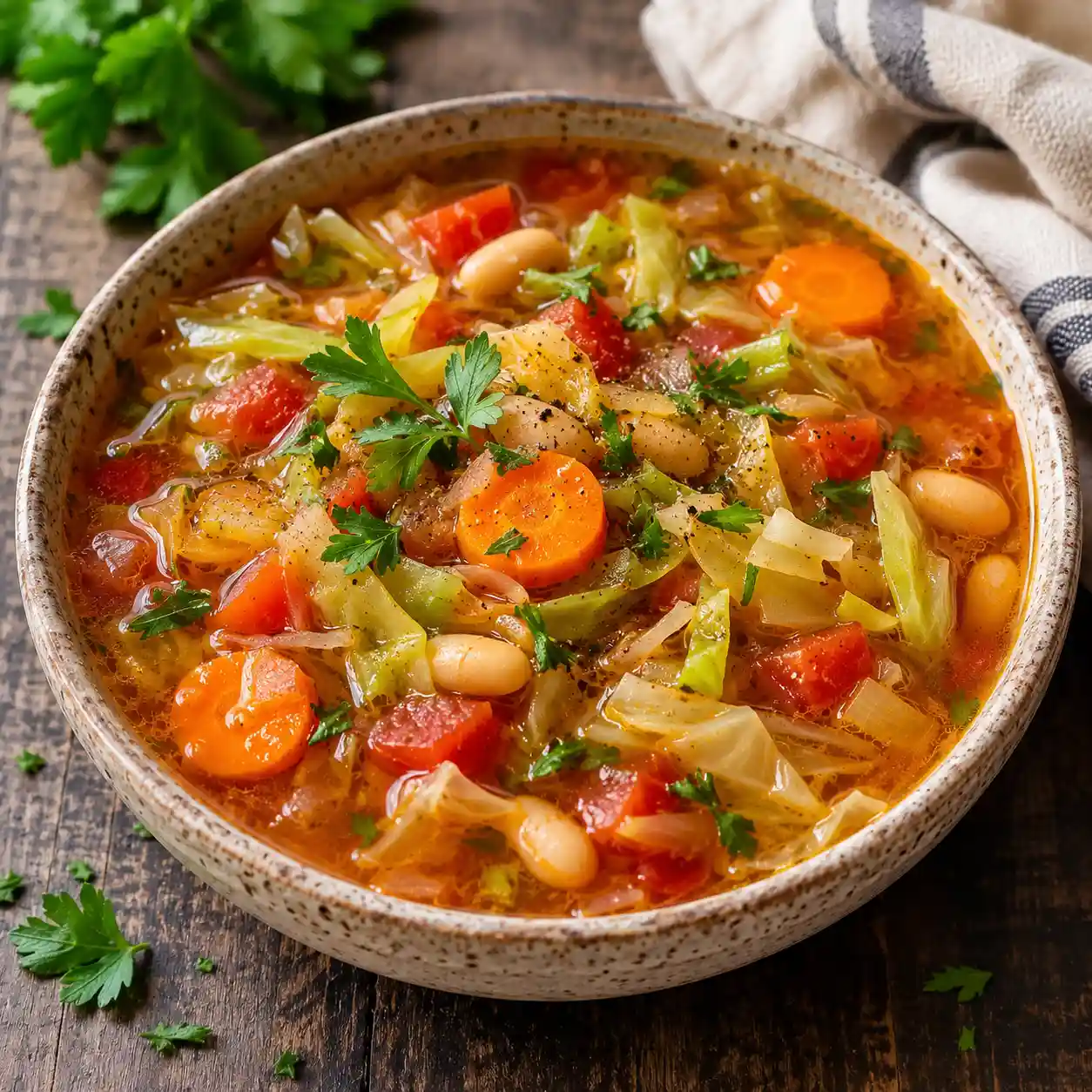
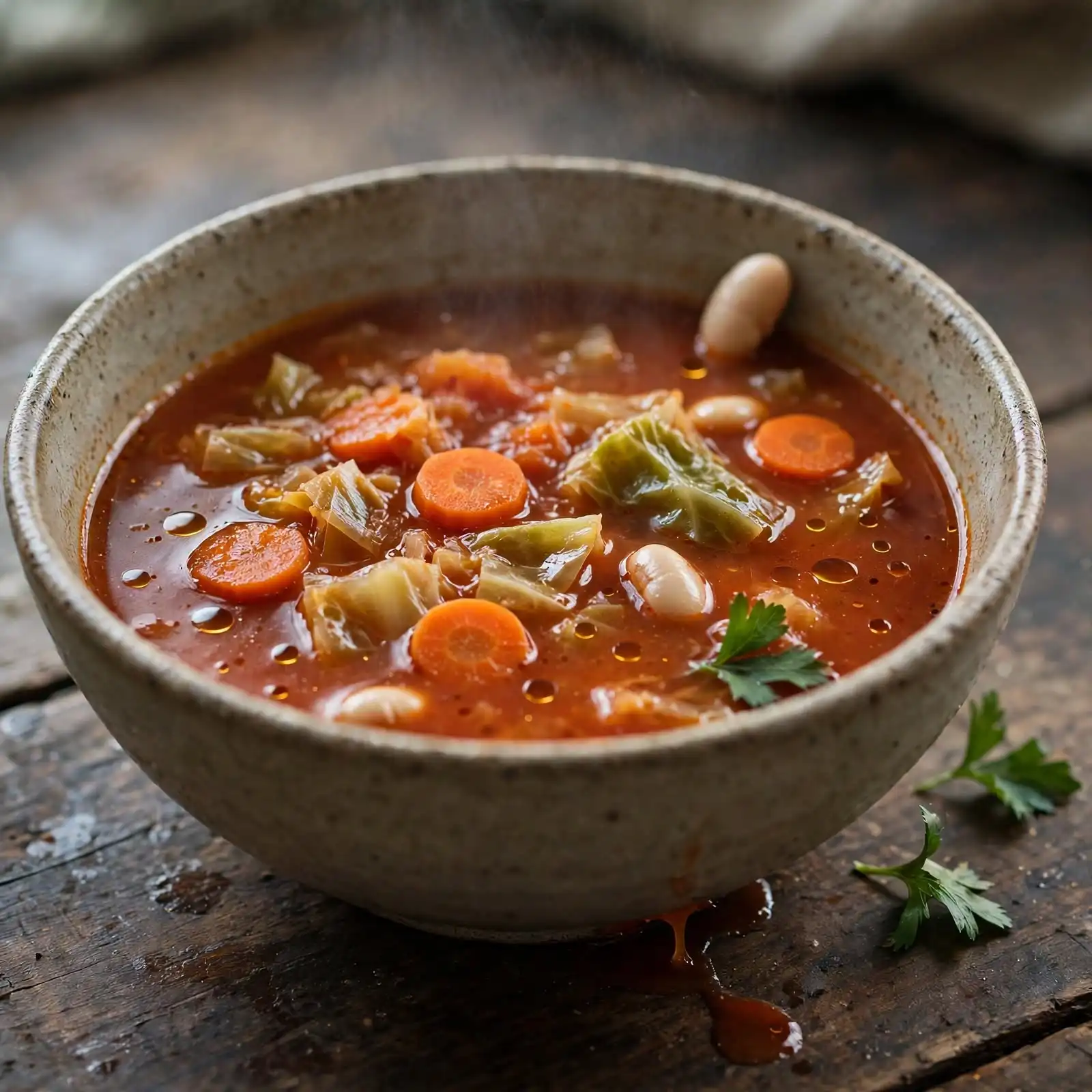
Cabbage soup is a simmered vegetable soup built on green cabbage, aromatics, diced tomatoes, and broth, seasoned with paprika, cumin, and garlic. It takes roughly 45 minutes start to finish and produces 6 satisfying servings in a single pot.
Why You Will Love This Cabbage Soup
- One pot, zero fuss: Everything cooks in a single large pot from start to finish, which keeps cleanup short and the whole process simple. No special technique, no multiple pans.
- Genuinely budget-friendly: A full batch costs a fraction of a takeout meal using ingredients available at any grocery store year-round. Cabbage, carrots, and canned tomatoes rank among the most affordable vegetables on the shelf.
- Filling without being heavy: The combination of fiber-rich cabbage, white beans, and a vegetable-packed broth keeps you full without leaving you feeling weighed down. No cream or butter required.
- Builds flavor as it sits: This soup tastes better on day two once the spices and vegetables have had time to deepen in the broth. Make a big batch on Sunday and it feeds you all week.
- Flexible with substitutions: The base recipe works with green, savoy, or Napa cabbage and tolerates swaps across nearly every ingredient without losing its character.
Recipe Snapshot
Servings: 6
Difficulty: Easy
Cuisine: International
Course: Soup / Main
Prep Time: 15 minutes
Cook Time: 30 minutes
Total Time: 45 minutes
Ingredients You Will Need For Cabbage Soup
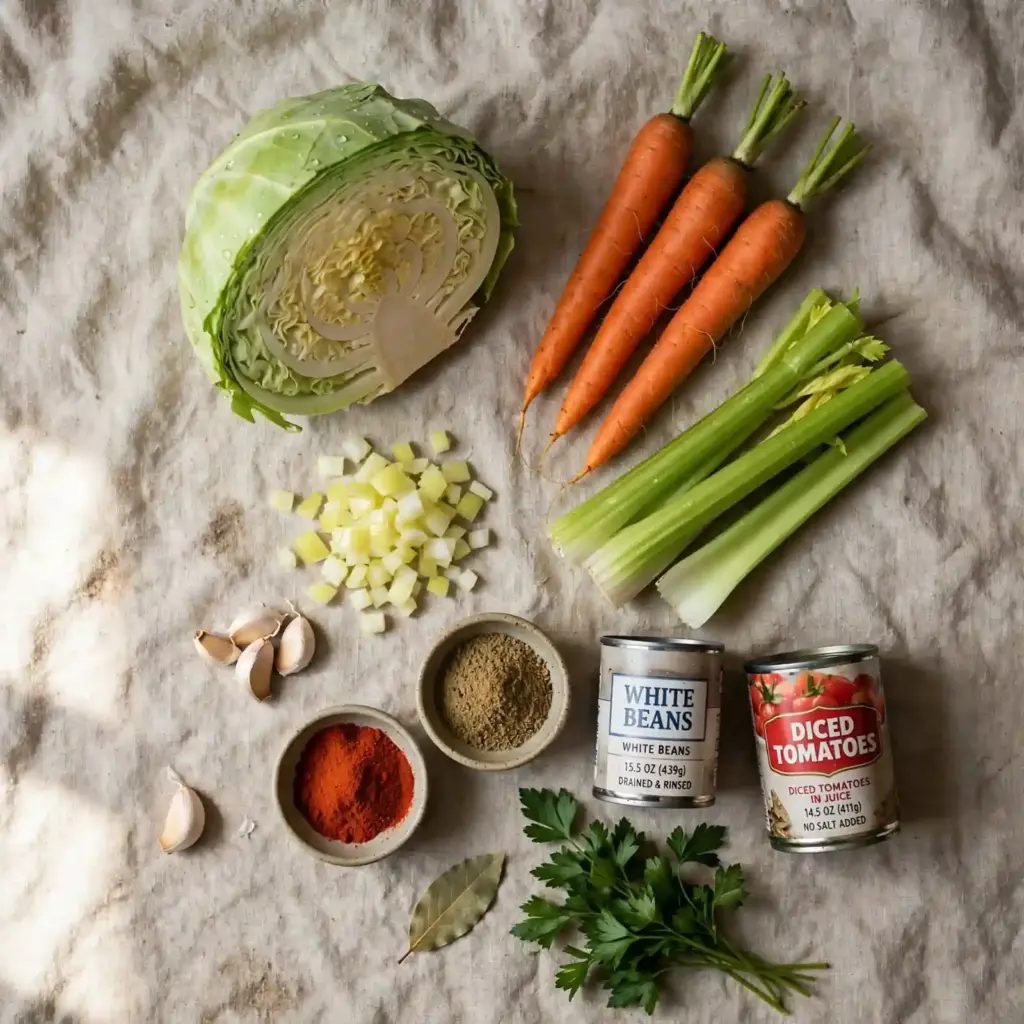
- 1 small head green cabbage (~6 cups chopped) — holds its texture through simmering without turning mushy; savoy cabbage works equally well
- 2 tablespoons olive oil — builds the flavor base; sunflower or avocado oil are good halal-friendly substitutes
- 1 large yellow onion, diced — adds sweetness and depth; white onion works the same way
- 4 garlic cloves, minced — the backbone of the seasoning; do not reduce this
- 3 medium carrots, peeled and sliced into rounds — contributes natural sweetness and color
- 3 celery stalks, sliced — adds a subtle earthiness to the broth
- 1 can (400g) diced tomatoes — provides acidity and body; crushed tomatoes work if that is what you have
- 6 cups low-sodium vegetable broth — the liquid base; chicken broth deepens the flavor if not cooking vegetarian
- 1 can (400g) white beans, drained and rinsed — optional, but adds protein and makes the soup more filling
- 1 teaspoon ground paprika
- 1 teaspoon ground cumin
- ½ teaspoon black pepper
- 1 teaspoon salt, or to taste — adjust at the end, especially if your broth is already salted
- 1 bay leaf
- 2 tablespoons fresh parsley, roughly chopped — for garnish; adds freshness against the warm broth
Recipe Timing
Prep Time: 15 minutes
Cook Time: 30 minutes
Total Time: 45 minutes
The 15 minutes of prep covers washing and chopping all vegetables. Cook time includes sautéing aromatics, bringing the broth to a boil, and simmering until the cabbage is fully tender.
Easy Substitutions and Halal Alternatives
No white beans? Use chickpeas — the result will be equally filling with a slightly firmer, nuttier texture. No vegetable broth? Use water plus an extra teaspoon of salt and a tablespoon of tomato paste — the soup will have less depth but still plenty of flavor. No fresh garlic? Use 1 teaspoon garlic powder added with the other spices — the result will be less fragrant but still well-seasoned. No olive oil? Sunflower or avocado oil are halal-friendly, budget-conscious alternatives that will not change the flavor.
Allergen Information
This recipe does not contain gluten, dairy, eggs, nuts, or shellfish. It is fully plant-based as written. If you switch to chicken broth, confirm the packaging carries a halal certification. The only potential gluten source is a broth brand that uses malt flavoring — check the label if this matters to you.
How To Make Cabbage Soup Step by Step
Step 1: Prep all your vegetables before turning on the heat. Remove the outer leaves from the cabbage, quarter it, cut out the core, and chop the leaves into rough 2-inch pieces — they shrink considerably during simmering. Dice the onion, mince the garlic, slice the carrots into ½-inch rounds, and slice the celery. Having everything ready before the pot heats up lets the whole process move without rushing.
Step 2: Heat the olive oil in a large heavy-bottomed pot over medium heat. Once the oil shimmers — about 90 seconds — add the diced onion with a pinch of salt. Cook for 5 minutes, stirring occasionally, until the onion softens and turns translucent. That early pinch of salt draws out moisture and helps the onion cook evenly without browning.
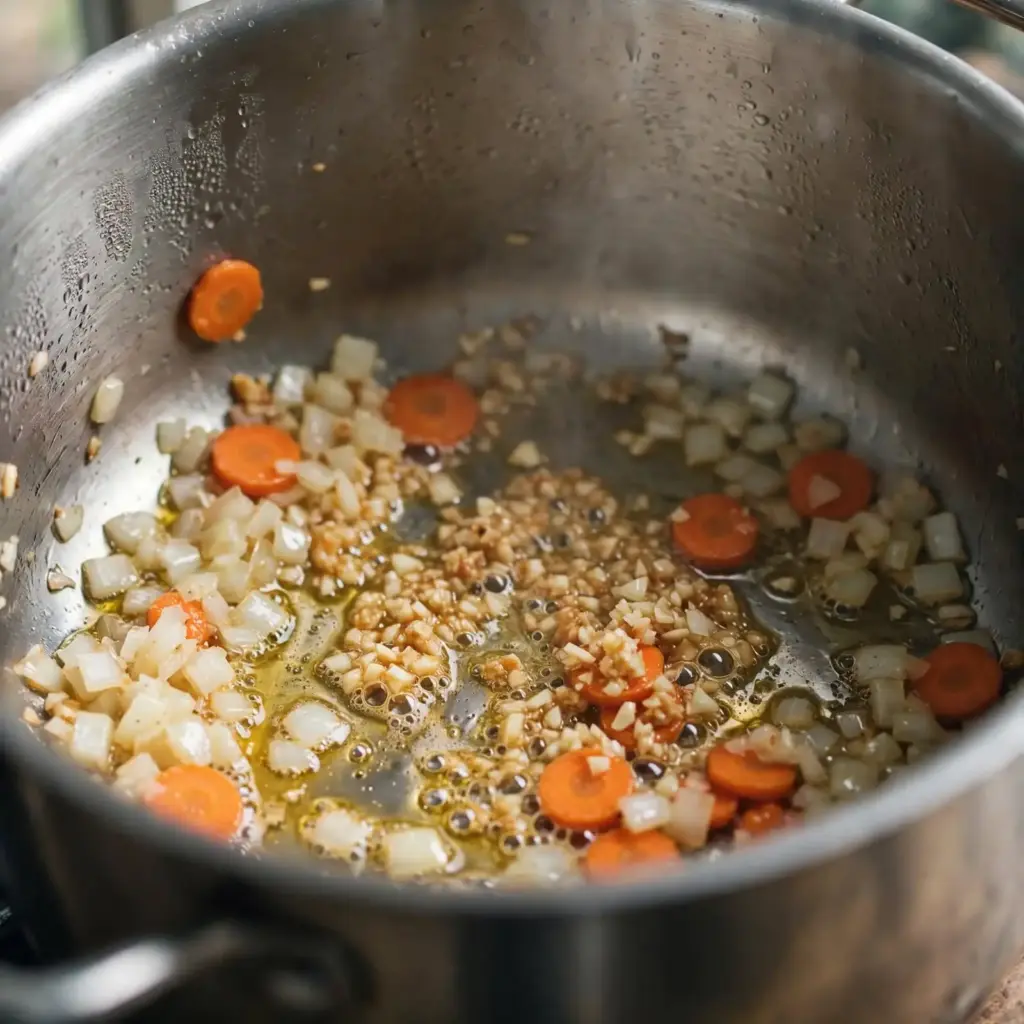
Step 3: Add the minced garlic, carrots, and celery to the pot. Stir everything together and cook for another 3 minutes. The garlic should smell fragrant and the carrots will look slightly glossy from the oil. Take the full 3 minutes here — this is where the flavor foundation gets built.
You are doing great — this is the most important part of the whole recipe and you have got it right. A properly cooked aromatic base is what separates a flat broth from one with real depth.
Step 4: Add the chopped cabbage to the pot and stir it into the sautéed vegetables. It will look like far too much cabbage at first. Keep stirring over medium heat for about 2 minutes until the cabbage begins to wilt and reduce in volume, with the edges starting to soften and pick up a slight golden tinge where they touch the bottom.
Step 5: Pour in the diced tomatoes (with their liquid) and all 6 cups of broth. Add the drained white beans if using. Increase the heat to medium-high and bring the soup to a gentle boil — this takes about 5 minutes. Once steady bubbling appears across the surface, the soup is ready to season and simmer. The broth will look pale and thin at this point, and that is completely normal. Trust the next step — the spices and simmering time do the work of turning it into something rich.
Step 6: Reduce the heat to medium-low. Stir in the paprika, cumin, black pepper, salt, and the bay leaf. Let the soup simmer uncovered for 20 minutes, stirring every 5 minutes. The cabbage will become fully tender and the broth will deepen in color and flavor as some of the liquid reduces.
Why this works: Simmering uncovered lets moisture evaporate slowly, which concentrates the broth flavor without requiring extra seasoning. A covered pot traps steam and keeps everything thin and watery.
Step 7: Remove the bay leaf. Taste the broth and adjust salt and pepper as needed — a final pinch of salt at this stage often transforms a decent soup into a great one. Ladle into bowls and top with fresh parsley. Serve immediately.
Pro Tips While Making Cabbage Soup
If the broth tastes flat after simmering, stir in a teaspoon of tomato paste and let it cook for 2 more minutes — this adds concentrated savory depth that salt alone cannot provide and keeps your cabbage soup from tasting watered down. If the cabbage softens faster than expected, drop the heat to low immediately and check it every few minutes; the goal is tender but still slightly textured, not dissolved. If the soup thickens too much during storage, stir in a splash of broth or water when reheating and it comes back to the right consistency within a minute.
Best Tips For Perfect Cabbage Soup Every Time
Chop the cabbage into pieces no smaller than 2 inches. Smaller pieces break down into shreds during simmering and muddy the texture, so keep them large enough to hold their shape through the full cook time.
The most common beginner mistake is adding broth before the aromatics have fully softened. Those 8 minutes of sautéing before any liquid goes into the pot are what build the flavor base — skip them and the broth tastes flat regardless of how much seasoning you add later.
To keep this soup at its best when making it for a crowd, transfer it to a wide, shallow container to cool rather than leaving it in the deep pot. This drops the temperature faster and stops the cabbage from overcooking in residual heat.
The best reheating method is a low, steady simmer on the stovetop with the lid off, stirring every couple of minutes. Microwaving works in a pinch but heats unevenly, leaving some pieces overcooked while the center stays cold.
This soup freezes well for up to 3 months, but leave the white beans out of portions you plan to freeze. Beans turn grainy after thawing — add a fresh drained can when you reheat the frozen soup, and the texture holds up well.
Scaling up is simple: double every ingredient except salt, which you should add gradually and taste at the end. A doubled batch fits a standard 8-quart pot without issue.
Common Mistakes and Troubleshooting
A bland broth almost always comes down to under-salted vegetables at the start. Adding salt in layers — a pinch when the onion goes in, more when the broth is added, and a final adjustment at the end — builds seasoning into the broth itself rather than trying to correct it at the last minute.
Mushy cabbage happens when the soup simmers too long at too high a temperature. Cabbage needs only 20 minutes at a gentle simmer to become tender. If you notice it losing structure before the time is up, pull the pot off the heat and let it finish in the residual warmth.
A watery, thin broth usually means too much liquid or not enough time simmering uncovered. Remove the lid for the last 10 minutes of cook time to allow some evaporation. A tablespoon of tomato paste stirred in also thickens the broth without overpowering the vegetable flavor.
If the soup tastes sharp or slightly bitter, the garlic was likely added before the onion had fully softened. Raw garlic in cool oil develops a harsh edge. Next time, wait until the onion is completely translucent before adding garlic.
Delicious Variations of Cabbage Soup To Try
For a spicy version, add ½ teaspoon of red chili flakes along with the paprika and cumin in Step 6, or stir in a teaspoon of harissa paste just before serving. The heat works particularly well against the natural sweetness of the carrots.
A mild, kid-friendly version omits the cumin and reduces the paprika to ½ teaspoon. Add one small diced potato along with the cabbage in Step 4 — it breaks down slightly during simmering, giving the broth a creamier body that children tend to prefer.
For a fully vegan and dairy-free version, the base recipe already qualifies — just use vegetable broth and skip any cream garnishes. A drizzle of good olive oil over each bowl at serving adds richness without dairy.
A winter celebration version adds a large handful of chopped kale or baby spinach in the final 5 minutes of cook time, alongside a teaspoon of smoked paprika and a squeeze of fresh lemon just before serving.
For a restaurant-style upgrade, stir 2 tablespoons of tomato paste directly into the olive oil before adding the onion and cook it for 90 seconds until it darkens slightly. This caramelizes the tomato base and gives the finished broth a richer, more layered flavor.
Serving Suggestions
Serve this soup with a thick slice of crusty bread or warm naan — the bread soaks up the broth at the bottom of the bowl in the best way. For a complete meal, pair it with a simple green salad dressed with lemon and olive oil to contrast the warm, savory soup. A side of plain steamed rice makes this more substantial for children or anyone who wants a heartier dinner. For plating, ladle the soup into wide, shallow bowls so the colors of the carrots, beans, and cabbage show clearly, then finish with parsley and a small drizzle of olive oil right before serving.
Storage, Reheating and Freezing
Store leftover soup in a sealed container in the refrigerator for up to 5 days. The flavor continues to develop overnight, so day-two soup often tastes better than the freshly made version. Keep the parsley separate and add it fresh when serving again.
To reheat, transfer the soup to a small pot and warm over medium-low heat, stirring occasionally, until it reaches a steady simmer. If the soup has thickened in the fridge, stir in a splash of broth or water before heating. Avoid a hard boil, which will make the cabbage overly soft.
This soup freezes well for up to 3 months. Freeze in individual portions for easy weekday lunches. Leave the white beans out of anything you plan to freeze — they lose their texture after thawing. Add a fresh drained can when reheating. Thaw overnight in the refrigerator and reheat on the stovetop as described above.
Frequently Asked Questions About Cabbage Soup
Can I Make Cabbage Soup Ahead of Time?
Yes — this soup is excellent made a day ahead. The broth deepens considerably overnight as the spices and vegetables continue to infuse. Prepare it fully through Step 7, let it cool to room temperature, then refrigerate in a sealed container. Reheat gently on the stovetop the next day, adjust salt if needed, and add fresh parsley before serving. Making cabbage soup ahead of time actually improves the final flavor.
How Do I Make Cabbage Soup Without Canned Tomatoes?
Skip the canned tomatoes and add 2 tablespoons of tomato paste instead, stirred in after the aromatics soften — cook it for 60 seconds before adding the broth. The paste gives concentrated tomato flavor without the extra liquid. Alternatively, use 2 large fresh tomatoes, diced small. The broth will be slightly lighter in color but just as satisfying once your cabbage soup finishes simmering.
Can I Freeze Cabbage Soup?
Cabbage soup freezes well for up to 3 months. Cool it fully before transferring to freezer-safe containers or bags, leaving an inch of headspace for expansion. Leave white beans out of the portions you plan to freeze, as they go grainy after thawing — add a fresh can when reheating. Thaw overnight in the refrigerator, reheat on the stovetop, and the flavor holds up well.
How Long Does Cabbage Soup Last in the Fridge?
Stored in a sealed container, cabbage soup keeps in the refrigerator for 4 to 5 days. Stir before reheating, as the denser vegetables settle to the bottom during storage. Reheat only the portion you plan to eat rather than warming the full batch repeatedly, which shortens its shelf life noticeably.
Why Is My Cabbage Soup Turning Out Bland?
Bland cabbage soup is almost always a seasoning issue at the base. Check that you used the full teaspoon each of paprika and cumin, and that you added a pinch of salt when the onion went in. The mid-cook fix is straightforward: stir in a teaspoon of tomato paste, an extra pinch of cumin, and a small amount of salt, then taste again after 5 more minutes of simmering. A squeeze of fresh lemon juice at the finish also lifts all the other flavors and brightens the whole bowl.
Can I Make This Cabbage Soup Gluten-Free or Dairy-Free?
This cabbage soup is both gluten-free and dairy-free as written — no flour, cream, butter, or wheat products appear anywhere in the recipe. The only potential gluten source is a broth brand that uses malt flavoring, so check the label if this matters to you and choose a certified gluten-free option. Every ingredient used here is naturally halal and entirely plant-based, making this soup suitable for a wide range of dietary needs without any adjustment.
Conclusion
This cabbage soup delivers something genuinely satisfying from the most ordinary ingredients. The 7 steps are straightforward, the total time stays under 45 minutes, and the finished pot keeps well all week — making it one of the most practical soups you can add to your regular rotation. Make it once, and it earns a permanent spot in your kitchen.
Cabbage Soup
Ingredients
Method
- Chop cabbage, dice onion, mince garlic, slice carrots and celery.
- Heat olive oil over medium heat. Add onion with a pinch of salt. Cook 5 minutes until soft.
- Add garlic, carrots, and celery. Stir and cook 3 minutes.
- Add chopped cabbage. Stir and cook 2 minutes until beginning to wilt.
- Add diced tomatoes, broth, and white beans. Bring to a gentle boil.
- Add paprika, cumin, pepper, salt, and bay leaf. Simmer uncovered 20 minutes.
- Remove bay leaf. Taste, adjust seasoning, and serve topped with fresh parsley.
Notes
- Store in an airtight container in the fridge for up to 5 days.
- Freeze for up to 3 months — leave white beans out of portions for freezing.
- Serve with crusty bread or over steamed rice for a heartier meal.
- Substitute chicken broth for deeper flavor if not vegetarian; confirm halal certification on the label.
Calories: 180 | Protein: 7g | Fat: 4g | Carbs: 28g | Fiber: 8g | Sodium: 480mg
Nutrition values are estimates only and may vary based on specific ingredients used.